

 See My Latest Article on HelloNation
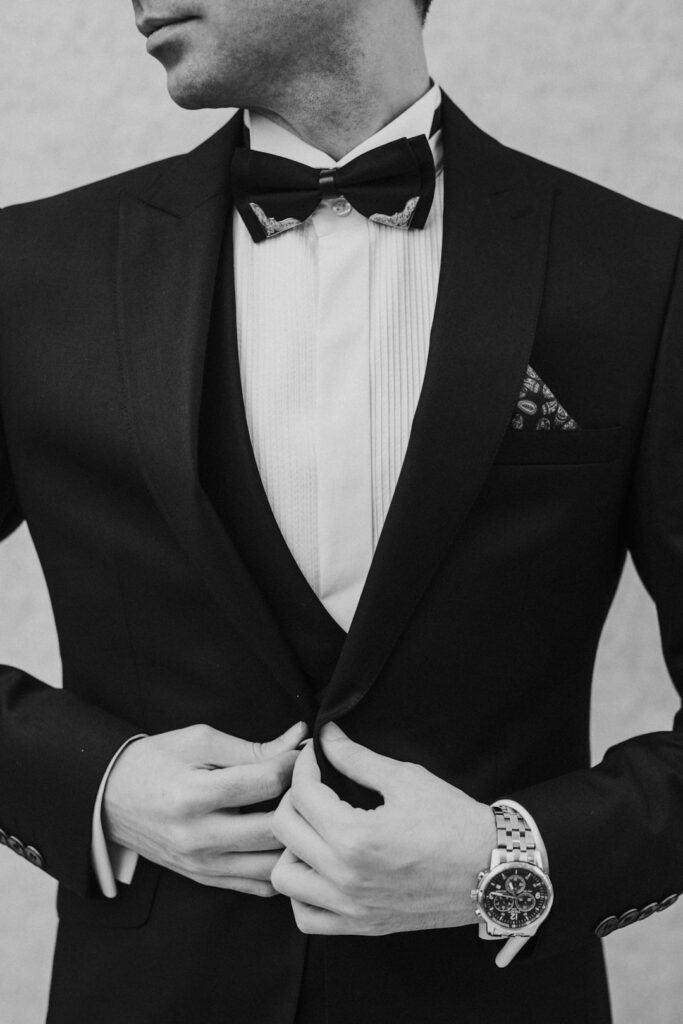
A high-quality men’s suit is not defined by a high price alone. The most reliable signs are found in the fabric, internal construction, fit, stitching, and the way the garment holds its shape during movement.
For residents choosing formal clothing for weddings, interviews, business settings, ceremonies, or winter events, understanding these details can prevent an expensive mistake. A suit should look balanced on the body, feel comfortable through several hours of wear, and remain presentable after repeated use.
What makes a men’s suit high quality?
A high-quality suit combines sound materials with careful construction. The fabric should recover from movement, the seams should be clean and secure, and the jacket should keep its shape without appearing stiff or bulky.
Quality is usually easier to identify by examining several features together rather than relying on a single label or fabric claim. A suit made from an impressive-sounding material can still have poor construction, while a modestly priced suit may be well designed and durable.
Look for:
- Fabric that feels substantial without being excessively heavy
- Even stitching with no loose threads
- A jacket that hangs smoothly from the shoulders
- Properly aligned patterns at seams and pockets
- A lining that moves comfortably without pulling
- Buttons and buttonholes that are securely finished
- Trousers with a clean crease and balanced drape
How can fabric quality be judged?
Fabric quality depends on fiber, weave, weight, finish, and intended use. Wool remains a practical choice for many suits because it breathes, resists wrinkles, and adapts to changing temperatures better than many synthetic materials.
A fabric should feel smooth but not unnaturally slippery. Rub a small section gently between the fingers. Good fabric often has a firm, resilient feel and returns to its original appearance after being released. Extremely thin material may crease quickly, while overly shiny fabric can look less refined and show wear sooner.
Common fabric considerations include:
- Wool: Versatile, breathable, and suitable for year-round or cool-weather wear
- Wool blends: Can improve durability, stretch, or cost, depending on the blend
- Cotton: Comfortable and casual-looking, but more prone to wrinkling
- Linen: Light and breathable, though naturally prone to creasing
- Synthetic fibers: May add resilience, but large amounts can reduce breathability
Buffalo’s cold winters make heavier wool or wool-blend suits useful for some occasions, particularly when traveling outdoors between buildings. For warmer indoor settings or summer events, a lighter weave may be more comfortable. The best choice depends on the season, venue, commute, and expected amount of movement.
Why does jacket construction matter?
The inside of a jacket reveals much about how it was made. Traditional jackets use an internal structure that helps the fabric form naturally around the chest and shoulders. Less expensive jackets may use fused construction, in which layers are bonded together with adhesive.
Fused construction is not automatically poor. It can produce a neat-looking garment at a lower price. However, higher-quality jackets often use a more flexible internal structure, such as a half-canvas or full-canvas construction. These layers allow the jacket to conform to the wearer’s body over time and generally provide a more natural drape.
A simple inspection can help:
1. Pinch the fabric and inner layers near the lower front of the jacket.
2. Feel for a separate layer between the outer fabric and lining.
3. Gently move the layers against one another.
4. Listen or feel for a stiff, papery separation, which may suggest adhesive construction.
The test is not definitive, but it can provide useful information. A well-made jacket should feel structured without feeling rigid.
What should a good suit fit look like?
Fit is often more important than the label, fiber content, or price. A well-fitting suit should follow the body without pulling across the chest, collapsing at the shoulders, or creating excessive folds.
The shoulders deserve particular attention because they are difficult to alter successfully. The jacket shoulder should end close to the natural edge of the wearer’s shoulder. If it extends noticeably beyond the body, the jacket may look oversized. If it ends too far inside, the garment may feel restrictive.
Other fit checks include:
- The collar should rest against the neck without a gap
- The lapels should lie flat against the chest
- The jacket should close without an obvious “X” pull
- Sleeves should allow a small amount of shirt cuff to show
- Trouser fabric should fall cleanly without excessive bunching
- The seat of the trousers should not pull or sag
- The jacket length should provide balanced coverage of the torso

A suit does not need to fit perfectly from the rack. Trouser length, sleeve length, waist suppression, and some jacket adjustments are commonly altered. Structural problems involving the shoulders, armholes, or jacket balance are more difficult to correct.
Which construction details show careful workmanship?
Small details often distinguish a carefully made suit from one produced with minimal attention.
Buttonholes should be cleanly cut, evenly stitched, and free of loose fibers. Functional sleeve buttons can indicate additional construction detail, although decorative buttons do not automatically signal poor quality. The key question is whether the buttonholes are neat and durable.
The lining should be attached smoothly, with enough room for movement. It should not pull sharply when the arms are crossed or raised. Check the inside pockets as well. Pocket openings should be reinforced, and the interior should not look uneven or hurried.
Patterns such as stripes or checks should generally align across the chest, pocket flaps, and side seams. Perfect matching is not possible at every point, but careless misalignment can suggest rushed production.
The trousers should also receive attention. A secure waistband, evenly finished seams, and a stable zipper are practical signs of durability. Belt loops should be firmly attached, and the pockets should lie flat when empty.
Are expensive suits always better?
No. Price can reflect fabric, labor, construction, design, import costs, or branding, but it does not guarantee a better fit or longer service life.
A less expensive suit with a strong fit and sound construction may be more useful than a costly suit that pulls across the chest or has poorly proportioned trousers. Conversely, a very low-priced suit may require significant alterations or wear out quickly.
The most sensible comparison is based on:
- Fit through the shoulders and chest
- Fabric performance and seasonal suitability
- Internal jacket construction
- Seam and buttonhole quality
- Alteration potential
- Expected frequency of wear
A suit intended for occasional ceremonies may not need the same construction as one worn several times a week. For frequent use, resilience, breathability, and repairable construction become more valuable.
What common mistakes should shoppers avoid?
A frequent mistake is judging a suit while standing still. Walk, sit, reach forward, and raise the arms slightly. The jacket should remain comfortable without excessive pulling or twisting.
Another mistake is focusing only on the trouser waist. Waist adjustments are usually easier than correcting a poor shoulder fit, so the jacket should be evaluated first.
Avoid assuming that a glossy finish means superior fabric, that a high button count means better design, or that a heavy suit is automatically more durable. Also be cautious with suits that feel overly tight in the fitting room. They may look sharply tailored for a moment but become uncomfortable during a full day.
For Buffalo residents, seasonal clothing habits also matter. A suit worn with a thick winter coat should not be so narrow through the shoulders that layering becomes difficult. At the same time, excessive room can make the suit look unbalanced indoors. Practical fit should account for transportation, weather, and the amount of time spent outside.
How should a high-quality suit be cared for?
Care has a major effect on how long a suit remains presentable. Hang the jacket and trousers on a shaped hanger after wearing them, allowing fabric to recover. Empty pockets before storage, and avoid wearing the same suit on consecutive days when possible.
Brushing away surface debris and airing the suit can reduce the need for frequent cleaning. Excessive dry cleaning may shorten the life of some fabrics, so cleaning should follow the garment’s care instructions and the actual level of soiling.
During humid summers or snowy winters, allow a suit to dry fully before storing it. Dampness, road salt, and heavy perspiration can affect fabric and lining if left untreated.
The strongest indicators of quality are straightforward: a balanced fit, resilient fabric, clean workmanship, and construction suited to the way the suit will actually be worn.