

 See My Latest Article on HelloNation
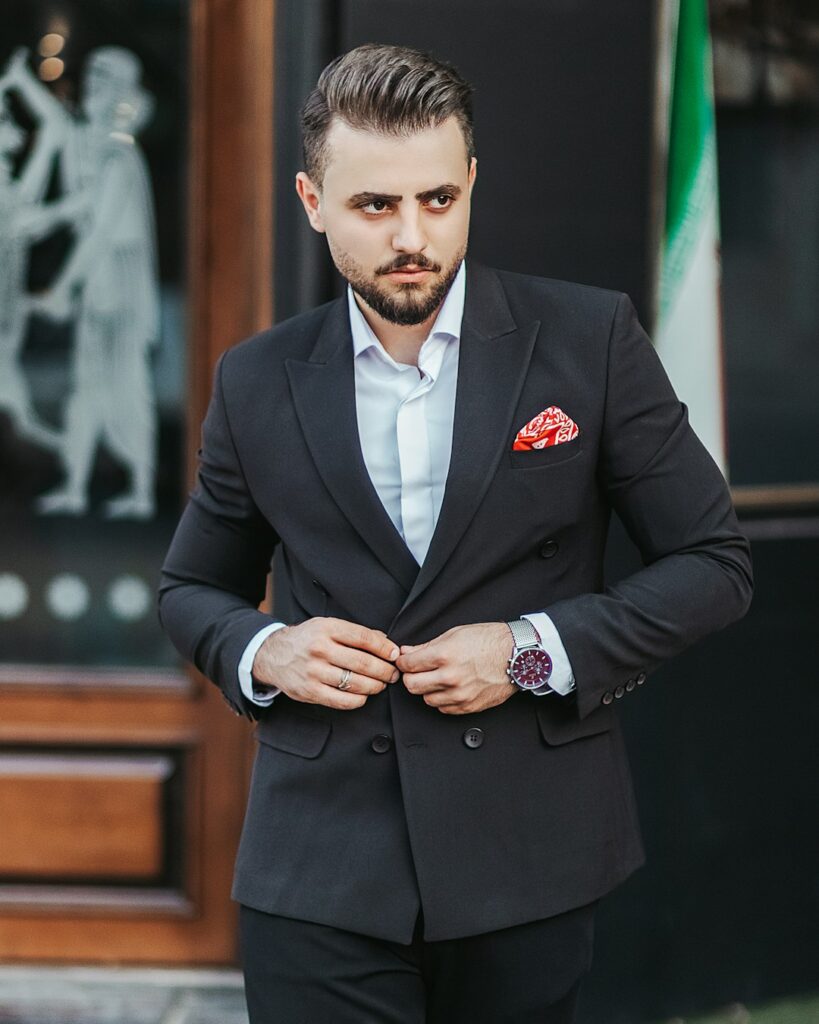
High-end menswear is often discussed through the language of fabric, construction, and designer reputation. Those details matter, but the most visible factor is usually simpler: how well the clothing fits the person wearing it.
For residents of Buffalo, NY, the right balance between fit and style also has to account for seasonal layering, changing temperatures, commuting habits, and the difference between formal clothing and everyday luxury. A beautifully styled garment can still look wrong if the shoulders, sleeves, rise, or trouser width are not suited to the wearer.
Is fit more important than style?
Fit usually matters more than style because clothing cannot present its design properly if it does not sit correctly on the body. A well-fitted, relatively simple outfit will generally look more refined than an expensive, highly fashionable outfit that pulls, sags, or overwhelms the wearer.
Fit includes more than choosing a small, medium, or large size. It involves:
- Shoulder placement
- Jacket length
- Sleeve length
- Collar position
- Chest and waist shaping
- Trouser rise
- Seat and thigh room
- Hem width and break
- Overall balance between the upper and lower body
Style remains important because it expresses taste, age, setting, and personality. However, style works best as a second decision. First, clothing should sit comfortably and create a clean outline. Then color, texture, proportion, and detail can shape the overall impression.
What does proper fit look like in a high-end jacket?
A properly fitted jacket rests smoothly across the shoulders and chest without excessive pulling or collapsing. The shoulder seam should end near the natural edge of the shoulder, while the collar should sit close to the neck without creating a gap.
The jacket should close without forming a pronounced X-shaped wrinkle across the button area. A small amount of shaping is expected, but strain usually indicates that the jacket is too narrow or too short in the torso.
Sleeves should reveal a modest amount of shirt cuff, although the exact amount depends on personal preference and the proportions of the jacket. The sleeve should not cover the hand or rise noticeably when the arms hang naturally.
Jacket length deserves particular attention. A jacket that is too short can make the torso appear compressed, while one that is too long may look heavy or dated. The hem should generally provide enough coverage to create a balanced relationship with the legs and trousers.
Can expensive clothing look inexpensive if the fit is wrong?
Yes. Price and quality do not override poor proportions. A high-quality fabric can still look awkward if the garment is too tight through the chest, too long in the sleeves, or excessively wide through the legs.
Common signs that reduce the appearance of quality include:
- Shoulder seams extending beyond the natural shoulder
- Wrinkles radiating from a closed jacket button
- Trouser pockets opening or flaring outward
- Excess fabric pooling heavily at the ankle
- A shirt collar collapsing beneath a jacket
- A belt or waistband creating visible bunching
- A jacket collar standing away from the neck
These issues may be minor in isolation, but several together can make a garment appear careless. High-end clothing is often recognized less by obvious decoration than by clean lines and controlled proportions.
How should style influence fit?
Style should guide the intended shape, not excuse a poor fit. A relaxed wardrobe may use wider trousers, softer jackets, and more room through the body. A traditional wardrobe may favor closer tailoring and narrower proportions. Both can look intentional when the silhouette is consistent.
The mistake is confusing a deliberately relaxed shape with clothing that is simply too large. Relaxed clothing should still have structure. The shoulder line, garment length, and relationship between pieces need to look planned.
The same principle applies to slimmer clothing. A close-fitting jacket should not restrict movement or create constant tension. Slim does not mean compressed. High-end style depends on ease, not discomfort.
Which fit details matter most in trousers?
Trousers often determine whether an outfit looks modern, balanced, or unfinished. The waistband should sit securely without requiring excessive tightening. The seat should follow the body without pulling, and the thighs should allow comfortable movement.
The trouser rise affects the entire appearance of the outfit. A higher rise can create a longer-looking leg line and pair naturally with tailored jackets. A lower rise may feel more casual but can shorten the visual relationship between the waist and shoes.
The hem is also significant. A small break creates a traditional appearance, while little or no break produces a cleaner, more contemporary line. The choice should match the trouser width, fabric weight, and footwear. Wide trousers with an extremely short hem can look disconnected, while narrow trousers with excessive fabric at the ankle may appear untidy.
For local residents dressing through cold seasons, trouser fit should leave enough room for movement and practical layering without becoming shapeless. Heavy wool and other substantial fabrics need slightly different proportions than lightweight seasonal materials.
How does Buffalo’s climate affect the balance between fit and style?
Seasonal weather makes layering a central part of dressing well in Buffalo. A jacket that fits perfectly over a thin shirt may feel restrictive over knitwear, while an outer coat that is too large can overwhelm the rest of an outfit.
Cold-weather clothing should be evaluated with the layers that will actually be worn beneath it. Pay attention to:
- Arm movement when wearing a sweater
- Shoulder comfort under an overcoat
- Sleeve length when gloves are added
- Jacket closure over heavier shirts
- Trouser comfort when sitting or traveling
- Fabric weight and resistance to wrinkling

Winter clothing does not need to be bulky to be practical. Good proportions, appropriate fabric weight, and sensible layering can provide warmth without sacrificing shape. In transitional weather, versatile garments often work better than extreme silhouettes that suit only one temperature range.
How can someone tell whether a trend suits their personal style?
A trend is useful when it supports the wearer’s proportions, lifestyle, and existing wardrobe. It becomes less useful when it requires constant adjustment or makes the wearer feel disguised.
Before adopting a new shape, consider whether it works with:
- The wearer’s natural build
- Typical work and social settings
- Preferred footwear
- Seasonal layering habits
- Existing jackets, shirts, and trousers
- Comfort while walking, sitting, and driving
A person does not need to follow every change in menswear. A consistent personal style often looks more sophisticated than a collection of unrelated trends. Small updates, such as a slightly wider trouser leg, a softer jacket structure, or a different shirt collar, can refresh a wardrobe without replacing its entire identity.
What should be altered, and what should not?
Many garments can be improved through careful alterations, but alterations have limits. Sleeves, trouser hems, waistbands, and some jacket shaping are often adjustable. Shoulder width, armhole placement, jacket length, and major structural changes are more difficult and may not produce a natural result.
A garment should begin reasonably close to the desired shape. Alterations are best used to refine fit rather than rescue clothing that is fundamentally the wrong size or proportion.
The most useful test is practical: stand, walk, sit, reach forward, and lift the arms slightly. Clothing should maintain its intended shape during normal movement. A garment that looks excellent only while standing still may not be suitable for daily wear.
What matters most when choosing high-end menswear?
The strongest approach is to prioritize fit first, proportion second, and style details third. Fabric, construction, color, and finishing details become more valuable when the garment already works with the wearer’s body and daily routine.
A practical order of evaluation is:
- Does the garment fit the shoulders and torso?
- Can the wearer move comfortably?
- Does the length create a balanced silhouette?
- Does it work with expected layers and footwear?
- Does the color and texture suit the setting?
- Does the style feel natural rather than forced?
The best high-end wardrobe is not necessarily the most dramatic. It is the one in which each garment appears intentional, comfortable, and appropriate to the person wearing it. In a climate that demands both indoor polish and outdoor practicality, fit provides the foundation, while style gives the clothing its individual character.