

 See My Latest Article on HelloNation
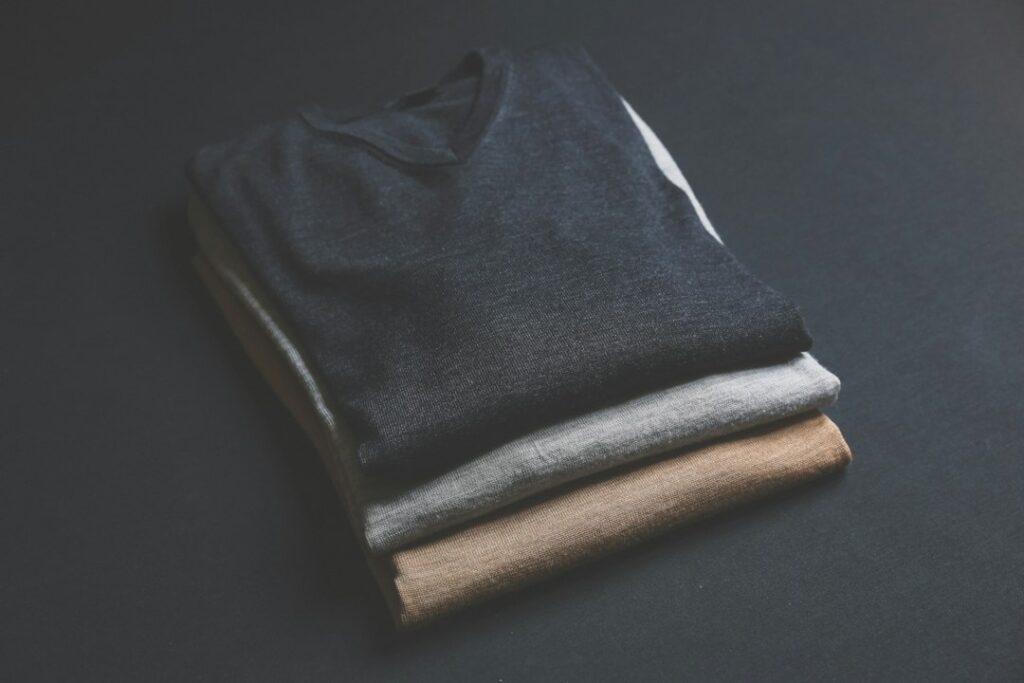
Premium clothing is defined as much by fabric as by cut, construction, and fit. For men building a practical wardrobe in Buffalo, NY, understanding fabric helps with decisions about warmth, breathability, durability, comfort, and care.
A high price does not automatically mean a garment uses the best material for its purpose. The right fabric depends on the season, the setting, how often the garment will be worn, and whether it can handle local weather and regular maintenance.
Why does fabric matter in premium clothing?
Fabric controls how a garment feels, drapes, insulates, resists wrinkles, handles moisture, and ages over time. It also affects whether a jacket looks structured or relaxed, whether trousers hold their shape, and whether a sweater remains comfortable indoors.
Two garments may both be labeled “wool” or “cotton” but perform very differently because of differences in fiber quality, weight, weave, finishing, and blend composition.
Useful fabric questions include:
- Is the garment intended for warmth or ventilation?
- Does the material recover after sitting or bending?
- Will it be exposed to rain, snow, road salt, or frequent brushing?
- Can it be cleaned without excessive shrinking or distortion?
- Does the surface feel smooth, textured, crisp, soft, or slightly rugged?
Understanding these characteristics is more useful than relying on a luxury label alone.
What makes wool a foundation of men’s premium clothing?
Wool remains one of the most versatile clothing fibers because it insulates in cold conditions while allowing excess heat and moisture to escape. It can also resist wrinkles and retain its shape better than many casual fabrics.
For tailored clothing, worsted wool is common. Its fibers are combed and spun into a smooth yarn, creating a clean surface suitable for suits, trousers, and structured jackets. Flannel wool is softer and brushed, making it better suited to cooler weather and relaxed tailoring.
Other useful wool varieties include:
- Merino wool: Fine, relatively soft, and useful for sweaters, base layers, and lightweight knitwear.
- Lambswool: Soft and warm, often used in sweaters and cold-weather accessories.
- Cashmere: Exceptionally soft and lightweight but more delicate and prone to pilling if handled roughly.
- Tweed: Textured and durable, with a substantial appearance suited to jackets and outer layers.
A heavier wool garment may be useful during Buffalo’s colder months, but indoor heating can make very dense materials uncomfortable for long periods. Medium-weight wool often offers more year-round flexibility.
How is cotton different from other premium fabrics?
Cotton is breathable, absorbent, and familiar against the skin. It is especially useful for shirts, chinos, lightweight jackets, and casual trousers. Its main limitation is that it absorbs moisture rather than moving it away quickly, so it can feel damp in wet or humid conditions.
The weave makes a major difference:
- Oxford cloth: Textured, durable, and appropriate for casual button-down shirts.
- Poplin: Smooth and lightweight, often used for sharper dress shirts.
- Twill: Diagonal weave that provides strength and a slightly denser feel.
- Corduroy: Ribbed and insulating, making it practical for cooler casual clothing.
- Sea Island or long-staple cotton: Smoother and more refined when the fiber quality and finishing are carefully controlled.
Cotton may shrink or lose shape if washed or dried at high temperatures. Premium cotton shirts often last longer when washed gently, dried with limited heat, and removed promptly to reduce wrinkling.
When is linen the right choice?
Linen is valued for breathability and its ability to release heat. It is an excellent choice for summer shirts, lightweight trousers, and warm-weather jackets. The fiber has a naturally dry texture and often becomes softer with use.
Its main drawback is wrinkling. Linen is not defective because it develops creases; that relaxed appearance is part of its character. However, a linen jacket or trouser may look too informal for settings that call for a crisp, highly structured appearance.
Linen blends can reduce wrinkling while preserving some of the fiber’s cool, airy feel. A linen-wool or linen-cotton fabric may be easier to wear across changing indoor and outdoor temperatures.
Why are silk and cashmere considered luxury fibers?

Silk is smooth, lightweight, and naturally comfortable across a wide range of temperatures. It appears in refined dress shirts, neckwear, pocket squares, linings, and lightweight knitwear. Silk can add softness and visual depth, but it may be vulnerable to abrasion, perspiration, staining, and improper cleaning.
Cashmere is prized for softness and warmth without the bulk of heavy wool. It works well in sweaters, scarves, and fine layering pieces. The finest-feeling cashmere is not always the most durable. Frequent friction from coat straps, bags, or rough outer surfaces can encourage pilling.
Both silk and cashmere benefit from careful storage. Folding is generally safer than hanging knitwear, which can stretch the shoulders. Clean garments should be stored dry, with enough airflow to discourage odors and fabric damage.
What role do linen, cotton, and wool blends play?
Blending fibers can balance strengths and weaknesses. A wool-silk blend may offer a smoother surface and a touch of luster. Wool with a small amount of synthetic fiber may resist wrinkles and improve durability. Cotton with elastane can provide comfort and mobility in trousers.
Blends should not automatically be treated as inferior. The useful question is whether the blend improves the garment’s intended performance. A small amount of stretch fiber may be practical in trousers, while a carefully balanced wool blend may hold its shape better during travel or long workdays.
The fiber percentage is only part of the evaluation. Yarn quality, fabric weight, finishing, and construction remain equally important.
Which fabrics work best for Buffalo’s changing seasons?
The local climate favors a flexible wardrobe built around layering rather than a single heavy fabric. Cold winters, damp shoulder seasons, wind, snow, and heated interiors create different clothing needs during the same day.
Practical choices include:
- Winter tailoring: Flannel wool, tweed, heavy worsted wool, and substantial wool-blend trousers.
- Transitional weather: Medium-weight wool, cotton twill, waxed cotton, and layered knitwear.
- Summer clothing: Linen, lightweight cotton, tropical-weight wool, and linen blends.
- Everyday layering: Merino wool, fine cotton, cashmere, and lightweight wool overshirts.
For outer layers, fabric density and construction matter as much as fiber type. A tightly woven wool coat can block wind more effectively than a loosely woven sweater, while a dense cotton shell may handle light moisture but still require protection in prolonged rain or snow.
How can someone judge fabric quality in person?
Touch is useful, but it should not be the only test. Examine the garment under good light and look for an even surface, clean seams, balanced pattern alignment, and fabric that hangs naturally.
For jackets and trousers, check whether the cloth recovers after being gently compressed. Excessive bubbling, uneven shine, or immediate wrinkling may indicate poor finishing or fabric that is unsuitable for the garment’s intended use.
A soft hand does not always mean superior quality. Some fabrics are designed to be crisp, dry, textured, or sturdy. A premium garment should feel appropriate for its purpose rather than merely soft.
Care instructions also reveal practical information. A fabric that requires frequent specialized cleaning may be less suitable for daily wear than a slightly more forgiving alternative. In a wardrobe exposed to snow, moisture, and seasonal temperature changes, useful durability is part of quality.
What is the most practical fabric strategy?
A balanced wardrobe usually includes several fabric weights rather than many versions of the same material. Medium-weight wool can anchor formal clothing, cotton can cover everyday wear, linen can handle warm weather, and merino or cashmere can provide comfortable layers.
Premium clothing is most useful when its fabric matches the wearer’s routine. The best choice is not necessarily the rarest fiber or the softest surface. It is the material that provides the desired comfort, appearance, durability, and care requirements for the conditions in which the garment will actually be worn.